Work life balance meaning is simple: it is how you share your time and energy between your job and the rest of your life. A good balance means you can do your work well and still have time for family, rest, health, and fun. It looks different for every person.
You may have heard this phrase at work, in the news, or from a friend who feels worn out. Many people search for it because they want to understand it, or because they feel their own life is tipping too far one way. This article explains the meaning in plain words. You will also learn where the idea came from, what warning signs to watch for, and how to build a better balance, with real examples along the way.
Quick Answer: Work Life Balance Meaning in Simple Words
Work life balance means giving fair attention to both your job and your personal life so that neither one takes over. Your job is the paid work you do, whether that is an office role, a shop shift, nursing, driving, or running your own business. Your life outside work includes family, friends, sleep, hobbies, chores, health, learning, and quiet time.
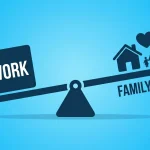
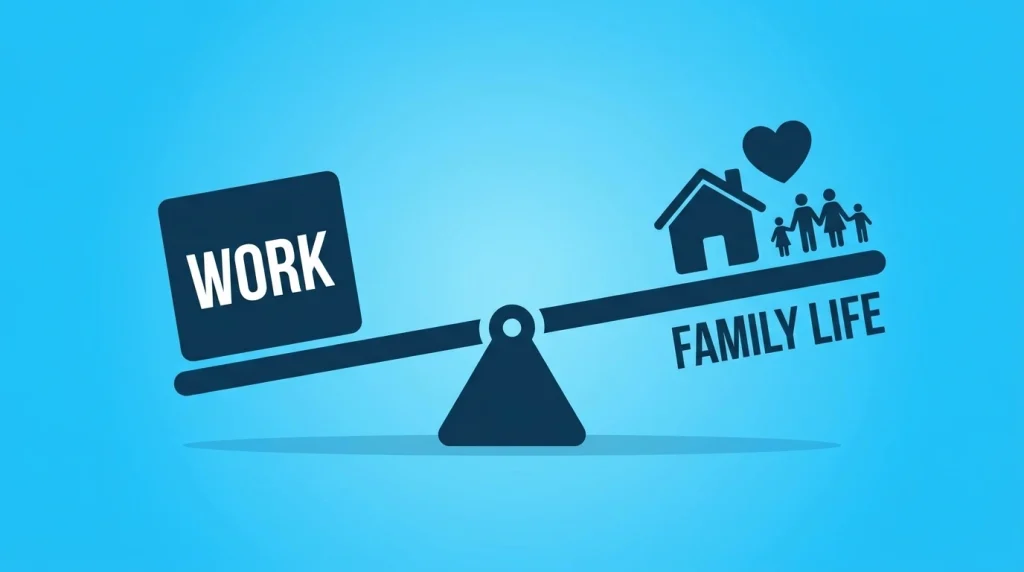
The word “balance” can be a little misleading, though. It does not mean you split every day into two perfect halves. Think of it more like a see-saw at a playground. Some days the work side goes up, and other days your home side does. What matters is that over weeks and months, neither side stays stuck in the air while the other bangs on the ground.
Another way to say it: you feel in control of your time, you can meet your duties at work and at home, and you still have energy left for yourself.
Work Life Balance Meaning in Everyday Life
The idea sounds big, but it shows up in small moments. Can you eat dinner without checking your work phone? Can you go to your child’s school play without feeling guilty? Can you take a sick day when you are sick? Those little questions are the heart of the topic.
Here is a simple picture. Maria works at a busy clinic. On most days she finishes at five, cooks dinner with her family, and walks around the block before bed. Now and then a big project makes her stay late. That is fine with her, because she can take an easy afternoon the following week. Her life feels steady, so her balance is healthy.
Now think about Dan. He answers work emails at breakfast, in the car, at dinner, and again at midnight. He misses workouts, skips dinners with friends, and feels tired all the time. His job has slowly eaten his life. His balance is off, even though he may earn good money.
Notice that the hours alone do not tell the whole story. Someone who works long hours but loves the job and has strong support at home may feel fine. Someone who works fewer hours but feels stressed and trapped may feel awful. So the true meaning is less about the clock and more about how your life feels.
The Main Parts of a Balanced Life
A balanced life has many pieces. When you look at them together, it is easier to see which ones need care. The table below shows the most common parts and what each one looks like when it is healthy.
| Part of Life | What It Includes | What It Looks Like When Balanced |
| Work | Job duties, career goals, income | You finish tasks, feel proud, and can step away at day’s end |
| Family | Partner, children, parents, relatives | You show up for important moments and daily routines |
| Health | Sleep, food, exercise, doctor visits | You rest enough and treat your body with care |
| Mind and Feelings | Stress, mood, quiet time, mental health | You have ways to calm down and ask for help |
| Friends and Community | Social life, clubs, faith groups, volunteering | You stay in touch with people who matter |
| Fun and Growth | Hobbies, travel, learning, play | You do things just because you enjoy them |
You do not need to give equal time to every row. Life has seasons. A new parent may spend more time with their family for a while. A person starting a business may spend more time on work. The goal is to notice when one row has been ignored for too long and give it some care.
Where the Term Came From
The phrase “work-life balance” is fairly modern. It began to appear in the late 1970s and 1980s, mostly as more women joined the paid workforce and many families needed two incomes. Before that, many households followed a pattern where one person worked outside the home and another handled most of the home duties. When both adults worked, people began to ask how anyone could fit it all in.
The idea itself is older than the phrase. In the United States, workers fought for years to limit long days. The Fair Labor Standards Act of 1938 set a national standard that led to the well-known 40-hour work week for many jobs. Even so, the tools we use now have blurred the lines again. Smartphones, laptops, and instant messages mean work can follow you home, to the park, and into bed.
I cannot point to one single person who invented the phrase, and sources disagree on the exact first use, so it is best to say it grew slowly over time. What is clear is that the topic has become more important each decade.
Work Life Balance vs. Work Life Integration
You may also hear the term “work-life integration.” It is close to work life balance, but it is not the same. Balance treats work and life as two separate areas that you try to keep even. Integration treats them as parts of one blended life. Some people like the blend, and others find it stressful.
| Feature | Work Life Balance | Work Life Integration |
| Main idea | Keep work and personal life apart and fair | Mix work and personal life in a flexible way |
| Typical schedule | Set start and end times | Flexible hours that shift through the day |
| Example | Work 9 to 5, then fully log off | Take a long lunch for a school event, finish work later |
| Best for | People who like clear rules and routines | People who like freedom and can manage boundaries well |
| Possible risk | Can feel rigid if life gets messy | Work can slip into every hour without limits |
Neither choice is better for everyone. A person with young children might love the freedom to work in short bursts. Someone who has trouble switching off might do better with firm walls. Choose the style that keeps you healthy and your relationships strong.
Signs Your Work Life Balance Is Off
Sometimes you cannot see the problem until it is big. Your body and mind often give early hints. Here are common warning signs, written the way people often describe them in real life.
You feel tired even after a full night of sleep. You get grumpy with people you love, and later you feel bad about it. You have stopped doing hobbies that you used to enjoy. You think about work during meals, showers, and quiet moments. You often cancel plans because you are too worn out or too busy. You feel a knot in your stomach on Sunday night. You get sick more often, or you have headaches and sore muscles that do not go away.
Feeling stressed now and then is normal. Every job has hard weeks. The concern begins when these signs stay for a long time. Long stress can lead to burnout, which is a state of deep mental and physical tiredness from work stress. If you see many of these signs in yourself, it is a good idea to slow down and talk with someone you trust, such as a friend, a family member, or a doctor.
Why Work Life Balance Matters
Good balance is not just a nice extra. It affects your health, your money, your family, and even how well you do at your job.
First, your health. The World Health Organization and the International Labour Organization published a study in 2021 that linked working 55 hours or more per week with a higher risk of stroke and heart disease. That does not mean every long week will harm you, but it shows that too much work can be risky over time.
Second, your mind. When you rest and enjoy life, your mood usually gets better. You can think more clearly and handle problems with a calmer head. Tired people make more mistakes, so rest helps your work, too.
Third, your relationships. Time with loved ones builds trust and closeness. Children remember who showed up. Friends remember who checked in. These bonds also protect you in hard times.
Fourth, your career. It may sound strange, but people who take breaks often do better work than people who never stop. Fresh ideas tend to arrive when your mind has room to breathe. Companies also do better when workers stay healthy, because fewer people quit and fewer people burn out.
Common Mistakes People Make
Many people want better balance but stumble on the same few things. Knowing them can save you a lot of stress.
The first mistake is believing balance means a perfect 50-50 split. It almost never works that way, and chasing perfection can add pressure. A second mistake is waiting for “someday,” such as after the promotion or after this project ends. There is always another project, so small changes need to begin now.
A third mistake is saying yes to everything. Each yes to one thing is a no to something else, often sleep or family time. Fourth, some people never set limits about when they are available. If your boss and coworkers know you will answer at all hours, they will expect it. A fifth mistake is treating rest as a reward you must earn. Rest is a need, like food and water.
Finally, many people think balance is only their own job to fix. In truth, both you and your workplace share the responsibility. Your boss and your company’s rules can help or hurt a lot, which is why we will cover that in a moment.
Real Life Examples of Work Life Balance
Seeing examples makes the idea easier to picture. Each story below is a made-up example, but it reflects common situations.
Jamal is a delivery driver. He cannot work from home, and his schedule changes each week. To protect his balance, he asks for his shifts a week ahead when he can. He keeps one evening open each week for his daughter’s soccer practice. He also does a ten-minute stretch after each shift to help his body relax.
Priya works from home in customer support. Her kitchen table is her desk, so work is always nearby. She starts each day at the same time, closes her laptop at the end of her shift, and puts it in a drawer. This small act tells her mind that the work day is over.
Tom owns a small bakery. He gets up at four in the morning and worries about money. He decided to close the shop on Mondays. At first he feared losing sales, but his weekends stayed busy, and he finally got a full day to rest. He now feels sharper on the days he works.
Ellen is a college student with a part-time job. She uses a calendar that shows classes, work shifts, study time, and free time. Seeing everything in one place helps her say no when her schedule is full.
Each person has a different life, yet each one made a plan that fits. That is the real lesson: balance is personal.
Simple Tips to Improve Your Work Life Balance
You do not need to change your whole life at once. Small steps add up. Try one or two of these ideas this week and see how they feel.
Start by deciding what matters most to you. Write down your top three priorities, such as health, family, and a career goal. When you face a choice, ask which option supports those priorities.
Next, set clear work hours if you can, and share them. Tell your team when you will be available. If your job has no set hours, pick a “stop time” and try to keep it most days.
Protect your sleep. Adults generally need about seven or more hours a night, according to sleep experts. A rested mind copes with stress much better.
Use your time off. Vacation days and sick days exist for a reason. Many workers in the United States leave paid time off unused, which can slowly lead to exhaustion. Taking breaks is not lazy.
Learn to say no politely. You can say something like, “I would love to help, but my plate is full right now.” You can also offer another time instead of a flat no.
Take short breaks during the day. Stand up, stretch, drink water, or walk outside for five minutes. Tiny pauses keep your energy from running dry.
Plan fun on purpose. Put dinner with a friend or a park walk on your calendar as if it were a meeting. Things that are planned are more likely to happen.
Finally, be kind to yourself. Some weeks will be messy, and that is normal. Notice what went wrong, adjust, and keep going.
What Employers Can Do to Support Balance
Workers cannot fix everything alone. The place where you work has a big effect on your balance. Good employers know that healthy people do better work and stay longer.
Helpful actions include flexible schedules, the option to work from home when the job allows it, fair workloads, and clear rules about after-hours messages. Paid time off and paid sick leave also make a real difference. Managers can set a good example by taking their own breaks and by not sending late-night messages that seem to demand quick replies.
Some countries have created laws often called “right to disconnect” rules, which protect workers from being pushed to answer work messages outside of work hours. France was an early example, and other places have followed. The United States does not have a national rule of this kind, and it also has no national law that requires paid vacation, so company policies matter a lot here. If you are unsure what protections apply to you, your state labor department or a legal expert can explain the rules where you live.
Here is a quick view of how workers and employers can each help.
| Who | Helpful Actions | Result |
| Worker | Set limits, take breaks, ask for what you need, protect sleep | Less stress and more energy |
| Manager | Respect time off, set fair deadlines, avoid late-night messages | A calmer, more trusting team |
| Company | Offer flexible options, paid leave, and mental health support | Happier workers who stay longer |
Current Trends in Work Life Balance
The way people think about work has changed a lot in recent years. Remote work and hybrid work grew quickly after 2020, and many people still want that choice. Working from home can save commuting time, which gives some people more hours for family and rest. But it can also blur the line between job and home, so the need for clear boundaries has grown.
Many workers, especially younger ones, now say that time, health, and peace of mind matter as much as pay. Some companies have tested shorter work weeks, such as four-day weeks, and several trials in different countries have reported good results for worker well-being. Results vary by job and company, so it is not a magic fix for everyone.
Mental health is also part of the talk now in a way it was not decades ago. More workplaces offer counseling help, wellness days, and training for managers. The conversation is still growing, and it keeps moving toward treating people as whole humans, not just workers.
FAQs
What does simple work-life balance mean?
It means you have a healthy split of time and energy between your job and your personal life. You can do your work well and still enjoy family, rest, health, and fun.
Does work life balance mean working fewer hours?
Not always. It can mean fewer hours, but it can also mean having control over your schedule and feeling less stress. Some people are happy with long hours if they enjoy the work and still have time to rest.
Is work life balance the same for everyone?
No. It depends on your age, family, health, job, and goals. A single college student and a parent of three will build very different routines, and both can be right.
What are the signs of poor work life balance?
Common signs include constant tiredness, being short-tempered, missing time with loved ones, dropping hobbies, and thinking about work all the time. Frequent headaches or getting sick more often can also be signs. If they last, consider getting support.
How can I improve my work life balance quickly?
Start small. Set a stop time for work, take short breaks, use your time off, and say no to extra tasks when your plate is full. Choose one or two changes and stick with them for a few weeks.
Is work life balance only the employee’s job to fix?
No. Employees can set limits and plan their time, but employers shape the workload, schedules, and culture. The best results come when both sides do their part.
Conclusion
The work life balance meaning comes down to one clear idea: your job should be a part of your life, not all of it. A balanced life leaves room for good work, real rest, close relationships, and things you enjoy. It is not about perfect schedules or equal halves. It is about feeling in control and having enough energy for what matters.
If your life feels out of balance, you are not alone, and you can change it step by step. Begin by noticing the warning signs. Then pick one small habit, such as a firm stop time, a short daily walk, or a night with no work messages. Talk openly with your boss or team about what you need.
Keep checking in with yourself, because your needs will change over time. A balanced life is not a place you reach once. It is something you keep adjusting, one day at a time.
Discover More Article

Hello, I’m Clara Whitmore. I write daily prayers, devotionals, and faith-based reflections for readers seeking peace and encouragement. I believe prayer has the power to heal hearts and renew faith.