Have you ever picked up a call and heard a stranger say, “Hello? Just say yes”? It feels odd, and it should. The hello just say yes meaning is simple: it is a short phrase used to get you to say one word, “yes,” often so someone can record your voice or lock you into a deal.
Many people search for this phrase after a strange call. They want to know if it is harmless or risky. In this guide, you will learn what the phrase means, how it works, what experts say, and what you can say instead. You will also see real life examples, easy tables, and clear steps to stay safe. By the end, you will know exactly how to handle that call.
Hello Just Say Yes Meaning: The Quick Answer
The hello just say yes meaning is a request to say “yes” so the caller can get something from you.
On a phone call from an unknown number, treat it as a warning sign. A real business does not need you to say one word right away. Honest callers tell you who they are, why they called, and what they want. They do not push you to say “yes” before you know anything.
So here is the short rule. If a stranger says “hello, just say yes,” do not say it. Hang up. You lose nothing by ending the call.
Where People Hear This Phrase
This phrase can pop up in a few places, and the meaning changes a little with each one.
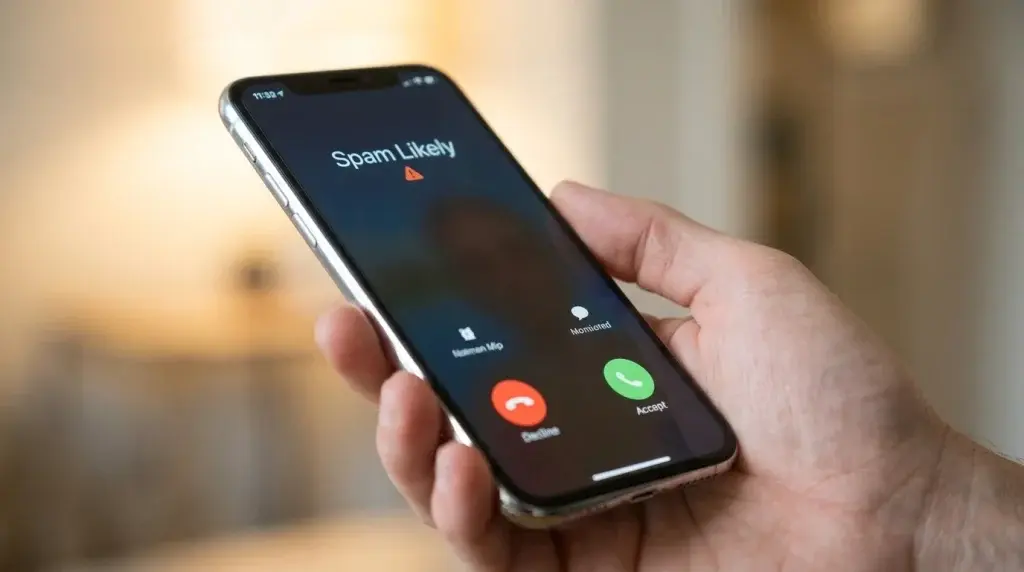
The most common place is a phone call. The call may start with a quiet line, a short pause, or a friendly voice. Then comes a question like, “Can you hear me?” or “Is this the owner of this phone?” The caller hopes you will answer with “yes.”
You may also hear it in a robocall. A robocall is a recorded message that plays when you answer. Some robocalls ask you to say “yes” or press a number. This tells the system that your number is real and that a person picked it up. That makes your number more valuable to people who sell phone lists.
Another place is a text message or a voicemail. A text might say, “Reply YES to confirm.” A voicemail might say, “Call back and say yes to claim your prize.” These are tricks too.
The phrase also shows up in plain, happy ways. A friend might say, “Just say yes!” when asking you to try a new food or join a trip. A coach might say it to build your courage. In these cases, nothing is wrong. The context tells you everything. A friend you know is not the same as a number you have never seen.
The “Can You Hear Me?” Phone Trick Explained
Let’s walk through how this trick is meant to work. It is often called the “yes scam,” and the story goes like this.
You answer the phone. A caller says, “Hello? Can you hear me okay?” You say, “Yes.” The caller then records that “yes.” Later, the scammer claims you agreed to buy something or sign up for a service. They may play the clip as “proof.”
The idea sounds scary, but think about it for a moment. One spoken “yes” with no contract, no account number, and no payment details is a weak thing to build a claim on. In most places, a real purchase needs more than a single word on a call.
Still, the trick has a second purpose that is easy to miss. When you say “yes,” the caller learns that your number works and that a real person answered. That alone can lead to more calls. So even if the “recorded yes” story is not the main danger, the trick still helps scammers.
Here is a simple way to think about it. The phrase is like a fishing line. The “yes” is the small bite they hope you take. Once you bite, they know where to cast again.
Is the Yes Scam Real? What Experts Say
This is where we need to be honest. The “yes scam” has been shared widely online for years. Warnings have come from local news stations, community groups, and consumer groups.
At the same time, groups that track fraud, including the Federal Trade Commission (FTC), have said they have not seen strong proof of people being charged because of one recorded “yes.” Many experts say the specific story is more rumor than fact. I could not verify any proven case of someone losing money only because of a recorded “yes,” so I will not claim it happens often.
But here is the helpful part. Experts still agree on the advice. Do not answer unknown calls with “yes,” do not give private details, and hang up if something feels wrong. Why? Because there are other real phone scams that use the same first step. These include fake bank calls, fake prize calls, fake tech support calls, and fake “grandchild in trouble” calls.
So the best way to see it is this: the rumor may be bigger than the risk, but the safe habit is still smart. Careful callers lose nothing. Careless ones can lose a lot.
Why Your Voice Matters More Today
There is one new reason to be careful, and it is not about contracts. It is about voice technology.
Today, some computer tools can copy a person’s voice. These tools learn from a short sample of audio. The more clear audio they have, the better the copy may sound. Experts have warned that scammers could use a cloned voice to trick family members, for example by pretending to be a child or a parent in trouble.
Does one “yes” give a scammer enough to do this? Probably not by itself. Most tools do better with longer, cleaner samples. But there is no good reason to hand over any of your voice to a stranger. Your voice is part of who you are, much like your face or your signature.
A few easy habits help:
Let unknown calls go to voicemail. Real people leave a message.
If you do answer, let the caller speak first. Say as little as possible.
Ask the caller to say who they are and why they called before you share anything.
Keep your social media videos in mind too. Public videos can also be a source of audio, so share with care.
Safe and Risky Replies on a Strange Call
It helps to have a plan before the phone rings. When you already know what to say, you are less likely to freeze. Here is a simple table to use.
| What the Caller Says | Risky Reply | Safer Reply |
| “Hello, can you hear me?” | “Yes.” | “Who is calling?” |
| “Just say yes to continue.” | “Yes.” | Hang up. |
| “Are you the owner of this phone?” | “Yes, this is me.” | “What is this about?” |
| “Press 1 to stop these calls.” | Press 1. | Hang up without pressing anything. |
| “Please confirm your name.” | Give your full name. | “I’ll call the company back myself.” |
| “You won a prize! Say yes to the claim.” | “Yes!” | Hang up and block the number. |
Notice a pattern. The safer replies are short. They do not give away facts. And in many cases, the best reply is no reply at all.
Other Meanings of “Just Say Yes”
Not every use of this phrase is a warning. To be fair and complete, let’s look at the other meanings.
First, it is a popular saying about courage. Some people use “just say yes” to mean “be open to new things.” The idea is simple. If you always say no out of fear, you may miss good chances. So you try a new class, meet new people, or take a small risk. Many self-help writers share this idea.
Second, it plays on an old slogan. In the 1980s, the United States ran a well-known anti-drug message called “Just Say No.” You can think of “just say yes” as the playful opposite, used for happy choices instead of risky ones. Note that it is a wordplay, not an official campaign.
Third, it connects to pop culture. The 2008 comedy film Yes Man, starring Jim Carrey, is about a man who decides to say yes to everything. The film was based on a book by Danny Wallace. The story shows both the fun and the trouble of saying yes too much.
So the meaning depends on who says it and where. From a friend who cares about you, it is a gentle push. From an unknown caller, it is a red flag. That is the key point to remember.
Common Mistakes People Make
Even careful people slip up. Scammers are good at making calls feel normal and urgent. Here are the most common mistakes.
Answering on autopilot. Many of us say “hello” and “yes” without thinking. That habit is exactly what these callers count on. Try pausing for two seconds before you speak.
Feeling rude when hanging up. Many people, especially kind ones, think it is impolite to end a call. It is not. You do not owe a stranger your time or your voice.
Pressing buttons. A message may say, “Press 2 to be removed from our list.” Pressing the button often does the opposite. It tells them your number is active.
Trusting caller ID. Scammers can fake caller ID so the call looks like it comes from your bank, a local number, or even a government office. This is called spoofing. A name on your screen does not prove who is calling.
Sharing “small” details. Your birthday, your address, or your mother’s maiden name may seem harmless. Together, though, these facts can help someone take over your accounts.
Rushing. Scam calls often say, “Act now!” Real offers can wait. If someone is rushing you, slow down even more.
Real Life Examples
Here are three short, made-up examples to show how this can play out. They are not real people, but they match the kinds of calls that many families describe.
Example one: the quiet call. Maria’s phone rings from a number she does not know. She answers. There is a short silence, and then a cheerful voice says, “Hello, can you hear me?” Maria remembers a story she read, so she says nothing and hangs up. She blocks the number. Nothing bad happens, and the calls stop after a few days.
Example two: the “prize” call. Mr. Lee, who is 72, hears a recording that says he won a trip. “Say yes to claim your prize,” it says. He says yes. A real person comes on the line and asks for a “small fee” to pay for taxes. This is a classic prize scam. Mr. Lee stops, hangs up, and tells his daughter. She helps him check his bank account, and he is safe because he did not pay.
Example three: the family call. A mother gets a call from a crying voice that sounds like her son. “Mom, I’m in trouble. Just say yes you’ll send money.” She feels panic. But she remembers a family code word they agreed on. She asks for it, and the caller cannot answer. She hangs up and calls her son’s real number. He is fine and at work.
The lesson in all three is the same. Slow down, check the facts, and use a second way to reach the person.
Spot the Red Flags: Normal Calls vs Scam Calls
Learning the signs makes you faster at spotting trouble. Here is a second table that compares a normal call with a risky one.
| Sign | Normal Call | Risky Call |
| Who is calling | Gives a name and company right away | Stays vague or won’t say |
| Reason for call | Clear and simple | Confusing or too good to be true |
| Pace | Lets you think | Pushes you to act fast |
| Payment | Uses normal, traceable methods | Asks for gift cards, wire transfers, or crypto |
| Your details | Does not ask for secrets | Asks for passwords, codes, or Social Security number |
| Callback | Happy for you to call the official number | Gets upset if you want to verify |
If you see two or more risky signs, end the call. You can always call the real company back using the number on their website or on your card.
What to Do If You Already Said Yes
Maybe you said “yes” before you knew better. Please do not panic. Most of the time, nothing bad follows. Still, it is smart to take a few quick steps.
Start by checking your bank and credit card statements. Look for charges you do not know. Then look at your phone bill for odd fees. If you see something strange, call your bank or phone company right away, using the number on your card or bill.
Next, write down the phone number and the time of the call. This helps if you need to report it later.
You can then report the call. In the United States, you can report scam calls to the FTC at ReportFraud.ftc.gov. You can also add your number to the National Do Not Call Registry at donotcall.gov. Keep in mind that scammers usually ignore this list, so it will not stop all calls. But it helps legal telemarketers follow the rules and makes illegal calls easier to spot.
Finally, think about turning on call blocking. Most phone companies offer free or low-cost tools. Many smartphones also have a setting that silences unknown callers and sends them to voicemail.
If you did give out a password, a bank number, or a Social Security number, act fast. Change your passwords, contact your bank, and consider placing a fraud alert or a credit freeze with the credit bureaus. A credit freeze is free and can stop others from opening new accounts in your name.
Current Trends: Smarter Scams, Smarter Defenses
Scam calls keep changing. Ten years ago, many were easy to spot. They had bad audio and strange accents. Today, some are polished. Caller ID can be faked. Voices can sound real. Scripts sound professional.
At the same time, defenses are getting better. Phone companies now work to label suspected spam calls. Some systems check whether a caller ID is real. Banks have also added warnings and extra checks for large transfers.
The best defense, though, has not changed. It is you. A calm pause, a short reply, and a hang-up can beat nearly any trick. Share this advice with family, especially older relatives, who are often targeted. A simple family code word can also help in emergency calls.
Tips and Best Practices for Staying Safe
Here is a short checklist you can use today.
Do not answer unknown numbers if you can help it. Let voicemail do the work.
When you do answer, let the caller speak first, and do not say “yes” to a stranger.
Never share passwords, one-time codes, or full bank details on an incoming call.
Hang up and call back using a number you trust.
Do not press buttons on recorded messages.
Block and report suspicious numbers.
Set up a family code word for emergencies.
Talk about these tricks with your parents, grandparents, and kids. The more people know, the harder it is for scammers.
FAQs
1. What does “hello just say yes” mean?
It is a phrase used to get you to say “yes,” usually on a call from an unknown number. The goal may be to record your voice, confirm your number is active, or start a bigger scam. If a friend says it in a happy way, it simply means “go for it.”
2. Can a scammer really use my recorded “yes” against me?
Experts have not found strong proof that one recorded “yes” has led to real charges on its own. The story is more common online than in real fraud reports. Even so, it is wise not to say “yes” to strangers, because the call may lead to other tricks.
3. Is it dangerous to answer a call from an unknown number?
Answering is usually not harmful by itself. The risk starts when you share personal details, press buttons, or agree to something. If you do answer, keep your words short and hang up if the call feels wrong.
4. What should I say instead of “yes”?
Try, “Who is calling?” or “What is this about?” You can also say nothing and let the caller speak first. If the answers are vague, hang up. You are never required to stay on the line.
5. Can scammers copy my voice?
Some computer tools can copy voices from audio samples, and experts have raised concern about this. One short word is unlikely to be enough, but it is best not to give a stranger any of your voice. Use a family code word to protect against fake emergency calls.
6. How do I stop these calls?
You cannot stop all of them, but you can cut down many. Add your number to donotcall.gov, turn on spam blocking from your phone company, silence unknown callers, and block repeat numbers. Report scam calls to the FTC at ReportFraud.ftc.gov.
Conclusion
The hello just say yes meaning comes down to one idea: someone wants you to say “yes” before you know why. On a call from a stranger, that is a warning sign, not a friendly request. While the “recorded yes” story may be stronger as a rumor than as a proven danger, the safe habits behind it still make sense.
Remember the basics. Pause before you speak. Keep your reply short. Never share private details with a caller you did not expect. If something feels off, hang up and call back using a number you trust.
Your voice and your time are yours. You can protect both with a calm “who is calling?” or a quick click of the red button. Share these tips with your family so everyone feels ready the next time the phone rings.

Hello, I’m Clara Whitmore. I write daily prayers, devotionals, and faith-based reflections for readers seeking peace and encouragement. I believe prayer has the power to heal hearts and renew faith.