Have you ever gotten hurt by someone or something, and now you feel extra careful about it? That feeling has a name. It’s called being “once bitten, twice shy.” This saying is used all the time in daily conversations, movies, and books.
People search for its meaning because they hear it often but aren’t always sure what it truly means or how to use it correctly. In this article, we’ll break down the once bitten twice shy meaning in simple words, look at where it came from, show real examples, and clear up common mistakes people make when using it.
Quick Answer
The phrase “once bitten, twice shy” means that after you get hurt or disappointed by something once, you become more careful or cautious about doing it again. It’s a way of saying that bad experiences teach us to protect ourselves in the future.
Meaning or Definition
At its core, “once bitten, twice shy” describes a natural human reaction. When something hurts us physically, emotionally, or even financially we tend to avoid that same situation again. The word “bitten” doesn’t always mean an actual bite. It’s used here as a symbol for any kind of painful or unpleasant experience.
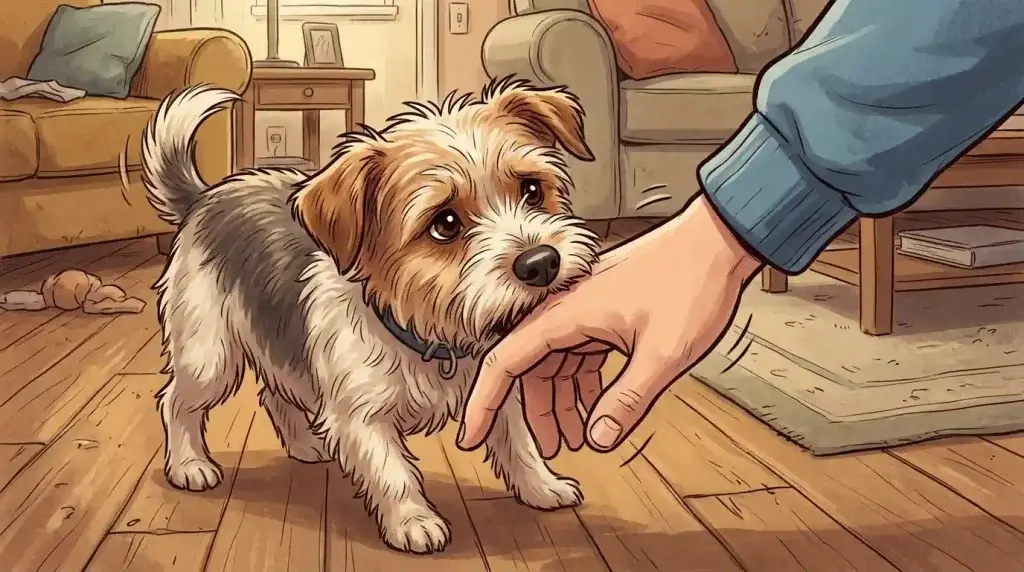
Think about it like this: if a dog bites you once, you’ll probably be nervous around dogs afterward. That nervous feeling is the “shy” part. You’re not necessarily scared forever, but you’ve learned to be more careful.
This phrase is often used when talking about:
- Trusting people again after being betrayed
- Trying a new activity after failing at it before
- Investing money after losing some in the past
- Dating again after a bad breakup
The saying reminds us that pain teaches lessons, and those lessons often shape our future choices. It’s not about being weak or overly fearful. It’s about being wise enough to protect yourself.
Grammar or Correct Usage
This phrase is an idiom, which means its meaning doesn’t come from the individual words but from the phrase as a whole. Because of this, it doesn’t change much no matter who is using it.
Here are a few grammar tips to use it correctly:
- It’s usually written with commas: “Once bitten, twice shy.”
- It can stand alone as a full sentence or be added to a longer sentence.
- It’s most often used after someone explains a bad experience, as a kind of conclusion or reaction.
For example:
- “I lent my brother money before and never got it back. Once bitten, twice shy I won’t do that again.”
- “She got scammed online last year, so now she double-checks everything. Once bitten, twice shy, I guess.”
You’ll notice the phrase works well as a short reaction on its own. It doesn’t need extra explanation because most English speakers already understand what it means.
Origin or History
The exact origin of “once bitten, twice shy” isn’t perfectly clear, but language experts believe it grew out of older English proverbs about caution and past pain. Similar sayings have existed in English for centuries, often connected to animals and fear.
One closely related phrase is “a burnt child dreads the fire,” which dates back hundreds of years and carries almost the same meaning. Over time, English speakers shaped different versions of this idea, and “once bitten, twice shy” became one of the most popular and easy-to-remember versions.
The imagery of being “bitten” likely comes from real experiences with animals, since getting bitten by a dog or another creature naturally makes a person cautious around that animal in the future. This physical example was turned into a metaphor for emotional and situational caution as well.
While we can’t pinpoint an exact date or person who created the phrase, it has been part of common English speech for well over a century and remains popular today in both spoken and written English.
British vs American English
This phrase is used in both British and American English without much difference. It didn’t start as a strictly British or American saying it’s simply part of shared English idiom culture.
| Feature | British English | American English |
| Common usage | Frequently used in everyday speech | Frequently used in everyday speech |
| Spelling | Same spelling | Same spelling |
| Formality | Casual to neutral tone | Casual to neutral tone |
| Popularity | Very common | Very common |
There’s no real regional difference in meaning, spelling, or tone. If you’re in London or Los Angeles, saying “once bitten, twice shy” will be understood the same way.
Common Mistakes
Even though this phrase is simple, people sometimes use it incorrectly. Here are a few common mistakes to avoid:
- Using it for something without a past negative experience. The phrase only makes sense when there was a real “bite” meaning something bad already happened. You shouldn’t use it just to describe general caution with no backstory.
- Reversing the phrase incorrectly. Some people accidentally say “twice bitten, once shy,” which doesn’t carry the same meaning and isn’t a recognized idiom.
- Overusing it in formal writing. Since it’s an idiom, it fits better in conversational or informal writing rather than academic or highly formal documents.
- Misunderstanding it as permanent fear. The phrase describes caution, not complete avoidance forever. It doesn’t mean you’ll never try again just that you’ll be more careful next time.
Avoiding these mistakes will help you use the phrase naturally and correctly in conversations or writing.
Real-Life Examples
To fully understand the once bitten twice shy meaning, it helps to see it used in real situations. Here are some everyday examples:
- Relationships: “After my last relationship ended badly, I’m taking things slow with dating again. Once bitten, twice shy.”
- Money and Business: “I invested in a company that failed, so now I research every investment carefully. Once bitten, twice shy.”
- Friendship: “A friend lied to me once, and now I’m careful about what I share with her. Once bitten, twice shy.”
- Health: “I got food poisoning from that restaurant last year, so I haven’t gone back. Once bitten, twice shy.”
- Online Safety: “My account got hacked once, so now I use stronger passwords everywhere. Once bitten, twice shy.”
These examples show how flexible the phrase is. It can apply to almost any part of daily life where trust, risk, or past pain plays a role.
Current Usage or Trends
This phrase remains popular today, especially in casual conversations, social media posts, and even song lyrics and titles. Many people use it to explain why they hesitate before trying something again, If it’s a relationship, a job, or even a new food.
In modern usage, the phrase has also expanded slightly beyond personal experiences to describe general caution in society. For example, people sometimes use it when talking about being careful with new technology, financial decisions, or trusting new companies after a scandal in a similar industry.
Because it’s short, memorable, and easy to understand, “once bitten, twice shy” continues to be one of the more widely recognized idioms in English, especially among native speakers and English learners alike.
Tips or Best Practices
If you want to use this idiom naturally and correctly, keep these tips in mind:
- Use it after describing a specific negative experience, not before.
- Keep it casual it fits best in spoken language, blogs, or friendly writing.
- Don’t overuse it in the same conversation or piece of writing, since it can start to feel repetitive.
- Pair it with a short explanation if your audience may not be familiar with English idioms.
- Remember that it expresses caution, not permanent avoidance.
Using idioms well is a great way to sound natural in English, and this one is especially useful because it applies to so many everyday situations.
FAQs
1. What does “once bitten, twice shy” mean in simple words?
It means that after getting hurt or disappointed once, a person becomes more careful to avoid the same problem again.
2. Is “once bitten, twice shy” a proverb or an idiom?
It’s generally considered an idiom, though it functions similarly to a proverb because it teaches a simple life lesson.
3. Can this phrase be used in formal writing?
It’s better suited for casual or conversational writing. In formal essays or business documents, a more direct explanation may work better.
4. Does the phrase mean someone will never try again?
No, it simply means the person will be more cautious, not that they will avoid it completely forever.
5. Where did the phrase “once bitten, twice shy” come from?
Its exact origin is unclear, but it’s believed to have developed from older English sayings about caution, such as “a burnt child dreads the fire.”
6. Is “once bitten, twice shy” the same in British and American English?
Yes, the meaning, spelling, and usage are the same in both British and American English.
Conclusion
The once bitten twice shy meaning teaches a simple but powerful lesson: our past experiences shape how we act in the future. When something hurts us once, it’s natural to become more careful the next time a similar situation comes up. This doesn’t mean living in fear, it means learning and protecting yourself wisely.
The next time you hear or use this phrase, you’ll understand exactly what it means and why it has stayed popular for so long.
If it’s about relationships, money, friendships, or everyday decisions, this idiom reminds us that caution born from experience is a normal and healthy part of life.

Hi, I’m Sarah Mitchell. I love writing faith-based content that brings peace, hope, and encouragement to everyday life. Through prayers and devotionals, my goal is to help readers feel closer to God and stronger in faith.