OG meaning in slang is simple: it describes someone or something that is original, respected, or the real deal. People say it about a trusted friend, a classic song, or the first version of something. It started as short for “original gangster,” but today it usually means “authentic” or “the best of the old school.”
You have probably seen those two letters in a text, a song, or a gaming chat and wondered if you were missing something. You are not alone. Millions of people search for this term every month. The word is short, but it carries a lot of history and a few different shades of meaning. In this guide, you will learn what OG means, where it came from, and how to use it without sounding awkward. You will also see real examples, common mistakes, and a few similar slang words.
Quick Answer: OG Meaning in Slang
In everyday slang, OG means “original,” “authentic,” or “highly respected.” If someone calls you an OG, they are saying you have been around a long time, you know your stuff, and people look up to you.
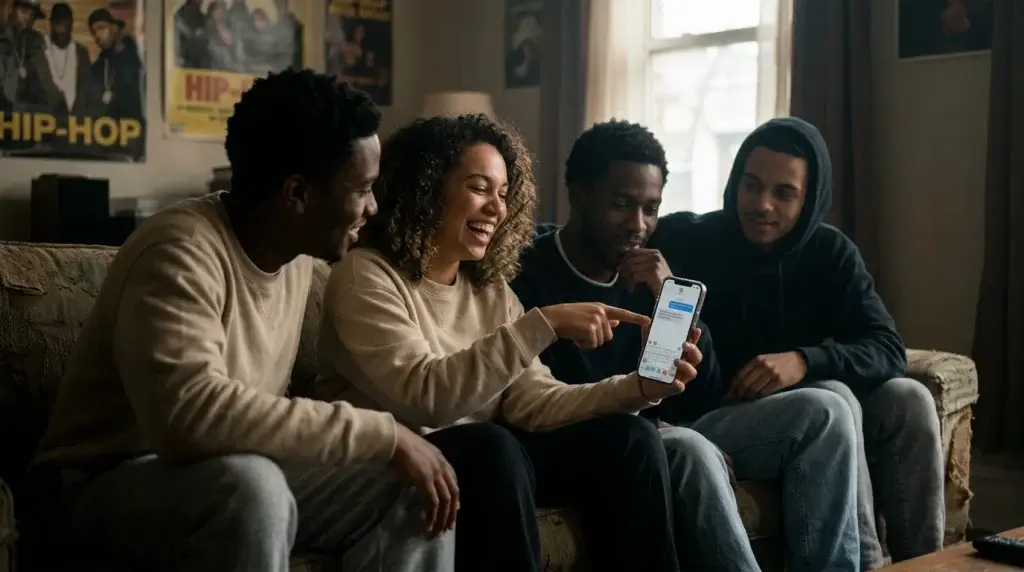
Most of the time, it is a friendly word. A teenager might call a grandparent an OG because they were cool before anyone else. A gamer might call a 10-year-old game “OG.” A fan might say they are an OG fan because they loved a band before it was famous.
What Does OG Stand For?
OG stands for “original gangster.” That is the long form, and it is where the word began. Over time, though, most people stopped thinking about the “gangster” part. Today, many speakers use OG to mean “original” in a general sense.
Think of how some other short words work. “Pro” came from “professional,” but you can call someone a pro at cooking without saying they have a job in a kitchen. OG works the same way. It started with one meaning and grew into a wider one.
This change matters because it affects how you hear the word. If a person says, “My grandma is an OG,” they are not saying she was in a gang. They are saying she is a legend in their eyes. The context tells you what they mean, and the tone is almost always warm and playful.
Origin and History of OG
The roots of OG go back to street culture in the United States, mainly in Black and Latino neighborhoods in Los Angeles around the 1970s and 1980s. In that world, an “original gangster” was an older, experienced member who had earned respect over many years. Younger members looked up to these people. Being called an OG was a sign of status.
Hip-hop carried the term to a much bigger audience. Rappers used it in songs and interviews, and fans picked it up. One famous example is the rapper Ice-T, who released an album called O.G. Original Gangster in 1991. That album helped bring the phrase into the mainstream. After that, OG showed up more and more in music, movies, and everyday talk.
It is hard to name the exact first person who said it or the exact year it began. Slang usually grows by word of mouth long before anyone writes it down. So when you read a claim that one person invented OG on one date, treat it with care. What we can say with confidence is that the word grew out of street and hip-hop culture and spread outward from there.
By the 2000s, the meaning had started to soften. People began using OG for anything that felt classic or first. Dictionaries that track slang, such as Merriam-Webster and Dictionary.com, now list OG as a common informal term. Social media sped things up even more. On platforms like TikTok, Instagram, and X, OG became a quick way to say “the original and the best.”
How People Use OG Today
Today, OG works like a badge of honor. You can use it for people, places, products, and even ideas. The meaning shifts a little depending on what you attach it to, but the core idea stays the same: first, real, and respected.
The table below shows the most common ways people use the word.
| How It Is Used | What It Means | Example |
| For a person | A trusted veteran or role model | “Coach Lee is the OG of our team.” |
| For a thing | The first or classic version | “I still love the OG recipe.” |
| For a fan | Someone who liked it from the start | “I’m an OG fan of this band.” |
| As praise | You are the real deal | “You helped me again? You’re an OG.” |
| For a style | Old-school and authentic | “That’s an OG look.” |
Notice that every example has a friendly feeling. People rarely use OG as an insult. It nearly always carries respect, even when the speaker is joking.
OG in Different Settings
The word travels well. You will hear it in many parts of life, and each one adds a small twist.
In music, OG often points to the pioneers of a style. Fans might call an older rapper or singer an OG because they helped shape the sound. Younger artists also use the word to honor those who came before them.
In gaming, OG usually means “from the early days.” A player who joined a game when it first launched might call themselves an OG player. Some games have even built events around the idea. A good example is Fortnite, which launched an “OG” season in late 2023 that brought back its original map. Fans loved it because it let them relive the early days.
In food and shopping, OG often means “original flavor” or “classic version.” Think of the plain, first recipe of a snack, before the new flavors came out. People say, “I’ll stick with the OG,” meaning they prefer the first one.
On social media, OG is a quick compliment. Someone might comment “OG” under a post that shows a classic photo or a throwback video. It can also describe an account that has been around since the start of a trend.
Among friends and family, it is a sweet way to show respect. Kids call older cousins OGs. Friends call the one who always gives good advice an OG. It is a small word with a big feeling.
How to Use OG in a Sentence
Grammar-wise, OG is flexible. It can work as a noun, which means a person or thing, or as an adjective, which describes something. Here is how each one looks.
As a noun, you might say, “My uncle is a real OG.” Here, OG stands for the person. You can also say, “She’s an OG in this neighborhood.”
As an adjective, you might say, “I love the OG version of this song.” Here, OG describes the version. You can also say, “That’s the OG phone.”
You can also drop it in as a short reply. If a friend tells you they remembered your birthday, you can say, “Thanks, OG.” In that case, it works like a nickname.
A few more examples can help the pattern stick:
- “Nobody makes pizza like the OG pizza place on Main Street.”
- “He’s an OG in the gaming community. He has played since 2005.”
- “Grandma’s OG cookie recipe beats every new one.”
- “That’s the OG sneaker design, and it still looks great.”
Notice how natural each one sounds. You do not need to say it loudly or use it all the time. A single, well-placed OG is enough.
OG vs. Similar Slang Words
OG has some cousins in the slang world. They sound alike, but they are not always the same. This table can help you tell them apart.
| Word | Basic Meaning | How It Differs from OG |
| OG | Original, respected, authentic | Focuses on being first and trusted |
| Vet | Someone with lots of experience | Stresses experience, not being first |
| Legend | A person admired by many | Stresses fame and greatness |
| Classic | A thing that stays good over time | Usually describes things, not people |
| Day one | Someone loyal from the start | Stresses loyalty and timing |
| Boss | A leader or skilled person | Stresses power or skill |
OG often blends two or three of these ideas at once. A “day one” friend who is also wise and respected could easily be called an OG. That is part of why the word is so handy. It packs a lot into two letters.
Common Mistakes to Avoid
Even simple slang can trip people up. Here are the mistakes you will see most often.
The first mistake is using OG for something that is not original or old. If a thing came out last week, calling it OG sounds strange. The word works best when there is some sense of “first” or “long-standing” behind it.
The second mistake is forgetting the history. Because the word began in street culture, some people feel strongly about how it is used. If you are using it in a joking or careless way about serious topics, it may land badly. Use it with respect.
The third mistake is mixing it up with other meanings of the same letters. In some places, OG can mean other things. For example, in medicine, an OG tube is short for an orogastric tube, which is a tube that goes through the mouth to the stomach. In the cannabis world, “OG Kush” is the name of a well-known strain. These are very different from the slang meaning, so context matters.
The fourth mistake is overusing it. If every sentence has an OG in it, the word loses its power. Save it for moments when it fits.
The fifth mistake is using it in very formal writing. In a business email, a school essay, or a job application, OG may look too casual. It is best in texts, chats, captions, and relaxed talk.
Is OG Offensive? When to Be Careful
For most people, OG is a friendly word. In everyday use, it is a compliment, not an insult. Still, it helps to know a few things so you do not offend anyone.
First, remember that the word comes from a culture with its own history. Many people who grew up with that history take pride in it. Using the word with care and respect is a good habit.
Second, think about your audience. A close friend will probably laugh and smile if you call them an OG. A stranger, a boss, or an older relative who does not know the slang may be confused. If you are not sure, you can explain what you meant, or just pick a different word.
Third, pay attention to tone. Said with a smile, OG is warm. Said with sarcasm, it can sound like teasing, and not everyone enjoys that. When in doubt, keep it kind.
Current Usage and Trends
OG has stayed popular for years, and it keeps growing in new directions. Part of the reason is nostalgia. Many people enjoy looking back at the “good old days” of music, games, fashion, and the internet. OG is the perfect label for that feeling.
Social media has helped a lot. Short videos about “OG” songs, “OG” games, or “OG” internet trends get plenty of views. Brands have noticed, too. Some companies bring back their “original” products and call them OG editions to attract loyal fans.
You will also see OG mixed with other words. People might say “OG fan,” “OG recipe,” “OG vibes,” or “OG energy.” Each phrase uses the same idea: something real, early, and loved.
It is worth noting that slang changes quickly. A word that feels fresh today can feel old in a few years. So far, OG has held up better than most. Because it already means “old and respected,” it has a built-in staying power that many trends lack.
Tips for Using OG Naturally
Using slang well is about sounding like yourself. Here are a few easy tips.
Start by listening. Notice how friends, creators, or coworkers use the word. Copy the tone, not just the words. Slang sounds best when it fits the situation.
Use it as a compliment. The safest and most common way to use OG is to praise someone or something. Saying “that’s an OG move” or “you’re an OG” is almost always welcome.
Match your audience. With close friends, you can be playful. With older people or in formal settings, you may want to skip it or add a short explanation.
Keep it light. OG works best as a quick, easy word. You do not need to build a long speech around it.
Pair it with something real. Saying “OG fan because I’ve watched since season one” feels honest. Saying “OG” with no reason behind it can feel empty.
Finally, do not worry about being perfect. If you use it a little wrong, most people will understand your meaning and move on.
FAQs
What does OG mean in slang?
OG means “original” or “original gangster.” In slang, it describes a person or thing that is authentic, respected, or from the early days. It is mostly used as a compliment.
What does OG stand for in text messages?
In texts, OG usually stands for “original gangster,” but most people mean “original” or “trusted.” If someone texts you “you’re an OG,” they are praising you as a real and reliable person.
Is OG a good or bad word?
It is a good word in most cases. People use it to show respect, honor, or love for something classic. It only becomes a problem if it is used carelessly or in a mocking way.
Where did the term OG come from?
OG grew out of street culture in Los Angeles in the 1970s and 1980s, where it described respected older members of a group. Hip-hop music, such as Ice-T’s 1991 album O.G. Original Gangster helped spread it across the country.
Can women be called OGs?
Yes. OG is not tied to gender. Anyone can be called an OG if they are respected, experienced, or have been around from the start. People often use it for moms, grandmothers, sisters, and friends.
Can I use OG in formal writing?
It is best to avoid it in formal writing, such as school essays or business emails. OG is casual slang. It works well in texts, social media posts, and relaxed conversations with friends.
Conclusion
The OG meaning in slang comes down to one idea: something original, real, and respected. It began as short for “original gangster” in street culture, grew through hip-hop, and became a friendly label that people now use for friends, fans, games, music, and more.
Today, you can call a trusted friend an OG, say you love the OG version of a song, or describe yourself as an OG fan. Just remember to match your words to your audience, keep your tone kind, and save the word for moments when it fits. Used well, it is a small, powerful way to show respect.
The next time you see those two letters pop up, you will know exactly what they mean. And if someone calls you an OG, take it as a real compliment.

Hi, I’m Sarah Mitchell. I love writing faith-based content that brings peace, hope, and encouragement to everyday life. Through prayers and devotionals, my goal is to help readers feel closer to God and stronger in faith.