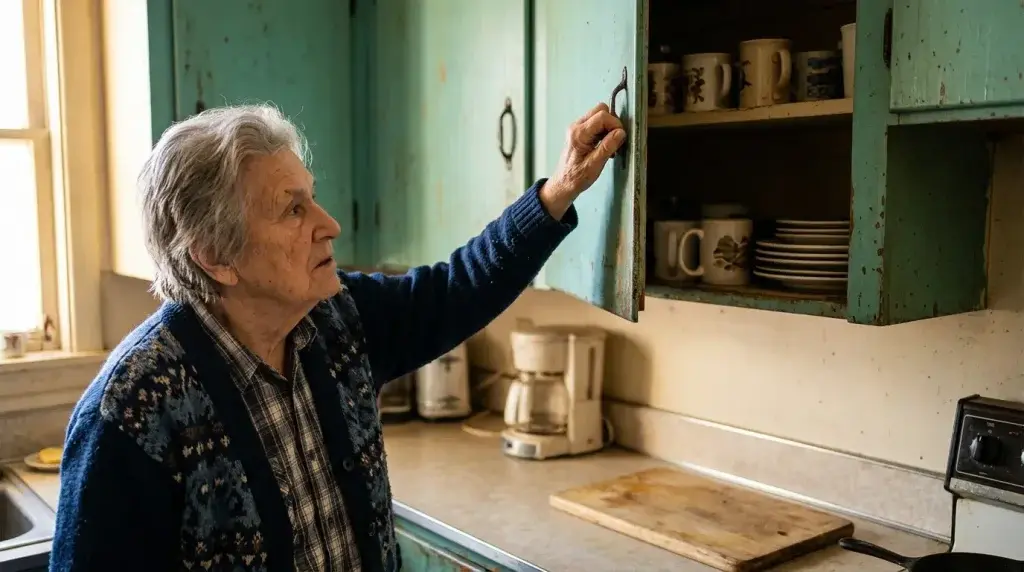
“Old habits die hard” means that behaviors we have done for a long time are very difficult to stop. Even when we want to change, the old way keeps pulling us back.
You have probably heard this saying at work, at school, or at home. Maybe a friend tried to quit snacking at night. Maybe your dad still calls the TV remote “the clicker.” People search for the old habits die hard meaning because the phrase sounds simple, but it holds a lot of truth about how our minds work.In this guide, you will learn what the saying means, how to use it, and where it may have come from.
You will also see real examples, similar phrases, common mistakes, and easy tips for breaking habits that no longer help you.
Quick Answer: What Does “Old Habits Die Hard” Mean?
The idiom “old habits die hard” means that long-time behaviors are hard to change or stop. It is often said when someone slips back into a familiar routine, even after promising to do something new.
For example, if a person moves to a new house but still walks to the old kitchen cabinet for cups, you might say, “Old habits die hard.” The saying is gentle and understanding. It does not blame anyone. It simply admits that change takes time and effort.
Old Habits Die Hard Meaning Explained in Simple Words
Let’s break the phrase into small parts. An “old habit” is something you have done again and again for a long time. You may not even think about it anymore. Your hands and feet just do it.
The word “die” is used in a playful, dramatic way. Things that die usually go away for good. But here, the habit does not want to go away. That is where “hard” comes in. A habit that “dies hard” fights back. It sticks around much longer than you expect.
So the full idea is this: a habit that has been with you for years will not leave quietly. It stays, and you may need many tries to get rid of it.
The saying works for both big and small habits. It can describe someone who has smoked for twenty years. It can also describe a child who still bites her nails. The size of the habit does not matter. What matters is that it feels automatic and hard to stop.
It is also worth noting that the phrase is an idiom. An idiom is a group of words whose meaning is different from the exact words. Nobody is talking about real death here. Think of it as a friendly way to say, “Change is not easy.”
Why Do We Say “Die” in This Saying?
Writers have always liked strong, bold words, and “die” is one of the strongest. It makes a simple idea feel big and lively. Saying “old habits are hard to break” is fine, but “old habits die hard” sounds more memorable.
There is another reason, too. In everyday English, we often say that things “die out” or “die down.” A fire dies down. A rumor dies out. A habit is treated the same way. We expect it to fade, but it takes a while.
The saying also gives the habit a bit of personality. It paints a picture of a stubborn old friend who refuses to leave the party. That picture makes people smile, and it helps them remember the phrase. This is one reason the idiom has lasted so long and is still used today.
How to Use “Old Habits Die Hard” Correctly
The good news is that this phrase is easy to use. It is a full sentence on its own. You can say it by itself, or you can place it after another sentence for context.
Here are a few simple ways to use it:
- As a short comment: “He still checks his phone every five minutes. Old habits die hard.”
- As an explanation: “I know I should drink water, but I reach for soda. Old habits die hard.”
- At the start of a sentence: “Old habits die hard, and that is why she still wakes up at 5 a.m. on weekends.”
Notice that the verb is “die,” not “dies.” That is because “habits” is plural. The word “hard” also stays the same. It works like an adverb here, telling us how the habits die.
You will usually see the phrase written in a normal sentence with a period or an exclamation mark. In a casual text message, people often shorten it or add a laughing emoji. In school writing or business writing, it is best to keep it neat and simple.
One more tip: the phrase is best used in a light or kind way. It sounds warm when used with friends and family. It can sound a bit unkind if you use it to put someone down, so think about your tone first.
Where Does the Saying Come From?
This is a tricky question, and honesty matters here. The exact first person who said “old habits die hard” is not clearly known. Reliable records do not point to one single writer or one exact date.
What we do know is that the idea behind it is very old. People have talked about the power of habit for centuries. Many old sayings in English use “die hard” to show that something stubborn will not go away easily. A well-known similar form is “old customs die hard,” which was used in the past to describe traditions that last a long time.
The phrase became more popular in modern times. It showed up often in books, newspapers, and everyday talk. You may also know the movie title Die Hard from 1988. That film uses a related expression for a tough hero who is hard to defeat. While the movie did not invent the idiom, it made the words “die hard” very familiar to many people.
So the best answer is this: the origin is not fully certain, but the idea is ancient and the exact wording has been popular for a long time. If someone gives you one neat story with a precise date, be careful. Without strong proof, it may be a guess.
Real Life Examples of Old Habits Dying Hard
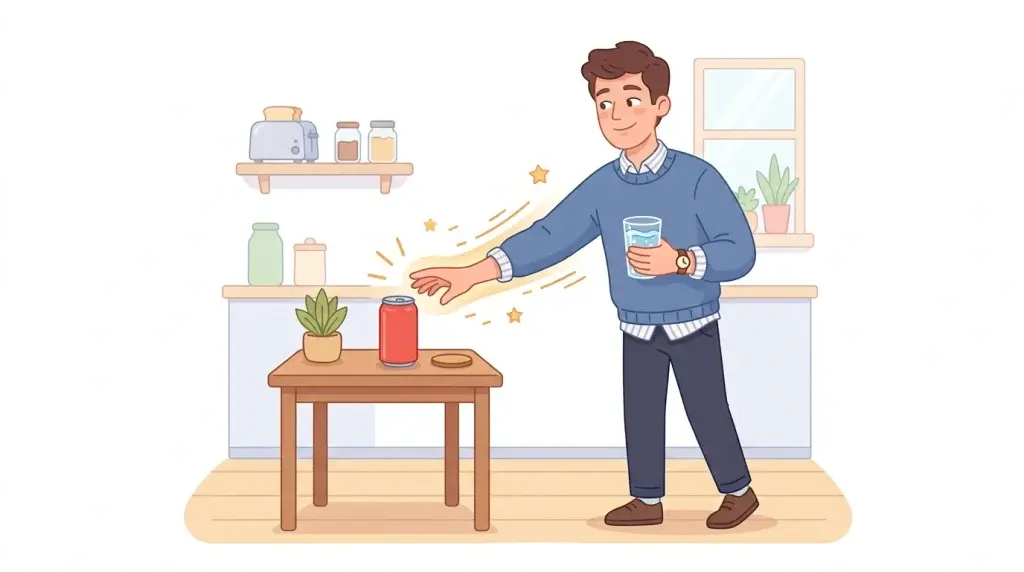
Examples make the meaning easier to see. Look at the table below, which shows everyday moments where this saying fits well.
| Situation | What Happens | Why the Saying Fits |
| A man retires but wakes up at 5 a.m. | He still gets ready for work | His body clock follows the old routine |
| A student gets a new phone | She still reaches for the old pocket | Her hand remembers the old place |
| A family moves to a new city | They still call the old bakery “our bakery” | Their words stay the same |
| A coffee lover tries to quit | He walks into the café without thinking | The habit leads him there |
| A driver gets a new car | She hits the wrong button for the wipers | Her hands remember the old car |
Here are a few short stories, too.
Maria decided to stop checking her email at night. For three days she did well. On the fourth night, she picked up her phone and opened her inbox before she even noticed. “Old habits die hard,” she laughed.
Tom switched from a paper calendar to a phone app. He still caught himself flipping through the empty desk drawer for his old planner.
A grandmother who grew up saving every plastic bag still folds and stores them, even though she can buy new ones easily. Her grandchildren smile and say the same thing: old habits die hard.
In every case, the person is not being silly or weak. They are simply showing how deeply a routine can sink in.
Why Old Habits Are So Hard to Break
The saying is popular because it is true, and science can explain why. Your brain loves saving energy. When you do something over and over, the brain turns it into an automatic routine. After that, you do it without much thought.
A well-known study by researcher Wendy Wood and her team found that people do a large part of their daily actions out of habit, not careful choice. Their research suggested that roughly 43 percent of daily behaviors were done almost on autopilot. That means almost half of what you do each day may not be a fresh decision.
Many experts, including writer Charles Duhigg in his book The Power of Habit, describe a simple loop. First comes a cue, which is a signal. Next is the routine, which is the action itself. Last is the reward, which is the good feeling you get afterward. When this loop repeats many times, the brain links the three parts tightly together.
For example, feeling stressed (cue) may lead to eating cookies (routine), which gives comfort (reward). Next time stress shows up, your brain pushes you toward cookies again, almost before you can think.
There is also a time factor. A study from University College London, led by Phillippa Lally, looked at how long it takes to form a new habit. The study found that it took about 66 days on average. But the range was big, from about 18 days to 254 days, depending on the person and the habit. So no one should feel bad if change takes longer than a month.
In short, breaking a habit is not only about willpower. It is about changing a pattern the brain has trusted for a long time.
Good Habits vs. Bad Habits
Most people use “old habits die hard” when talking about bad habits. But the saying works for good habits, too. This is actually great news.
If a good habit is deeply rooted, it is also hard to lose. A person who has exercised every morning for ten years will likely keep going, even on lazy days. A child who has always said “please” and “thank you” will probably do it for life.
Here is a quick comparison.
| Type of Habit | Example | How the Saying Applies |
| Bad habit | Staying up too late | Hard to stop, even when you try |
| Bad habit | Biting nails | Happens without thinking |
| Good habit | Brushing teeth at night | Hard to skip once it is routine |
| Good habit | Reading before bed | Feels strange to miss |
This shows that the saying is neither good nor bad on its own. The same power that keeps a bad habit alive can keep a good habit strong. So the smart plan is to choose your habits wisely and give the good ones time to grow roots.
Similar Sayings and Phrases With the Same Idea
English has many phrases that carry a similar message. Knowing them can improve your writing and help you avoid repeating the same words.
Here are some close matches:
- A leopard cannot change its spots. This one is a bit stronger. It suggests that people never truly change.
- Old dog, new tricks. This is part of “You can’t teach an old dog new tricks.” It means older people may struggle to learn new ways.
- Force of habit. This describes doing something out of routine, without thinking.
- Creature of habit. This describes a person who likes the same routine every day.
- Old customs die hard. This is the cousin phrase that talks about traditions.
- Easier said than done. This is a general phrase about how hard change can be.
Be careful with “a leopard cannot change its spots.” It sounds harsher because it says change is impossible. “Old habits die hard” is kinder, because it only says change is difficult. That small difference matters when you choose the right words.
Common Mistakes People Make With This Idiom
Even simple sayings can be misused. Here are mistakes to watch for.
Using the wrong verb form. Some people write “old habit dies hard” or “old habits dies hard.” The plural form “habits die hard” is the standard way to say it. You may see the singular in rare, creative uses, but the common version is the safest.
Thinking it means habits are impossible to break. The saying says “hard,” not “impossible.” Many people do break habits. It just takes patience and a plan.
Using it for a one-time mistake. If you forget your keys once, that is not an old habit. The phrase fits actions that have repeated for a long time.
Taking the word “die” too literally. This is an idiom. It has nothing to do with real death, so keep the tone light.
Using it to judge others. Saying “Old habits die hard” in a mean voice can sound like an insult. Use it with kindness, or use it about yourself.
Overusing the saying in writing. A good phrase loses its charm when it appears too often. Use it once in a piece and let it shine.
Is the Saying Always True?
Not exactly. “Old habits die hard” describes a general pattern, not a strict law. Plenty of people have changed long-term habits. Many have quit smoking, changed their eating, or stopped biting their nails after years of trying.
The saying is best seen as a reality check. It reminds us that change takes effort and that slips will happen. It also tells us not to give up when we stumble. A slip does not mean you failed. It means the old pattern is still strong, and it needs more time to fade.
Experts who study habits often say that missing one day does not ruin your progress. What matters most is returning to the new routine as soon as you can. So the better way to read the saying is not “I can never change.” It is “I should be patient with myself while I change.”
Simple Tips to Break an Old Habit
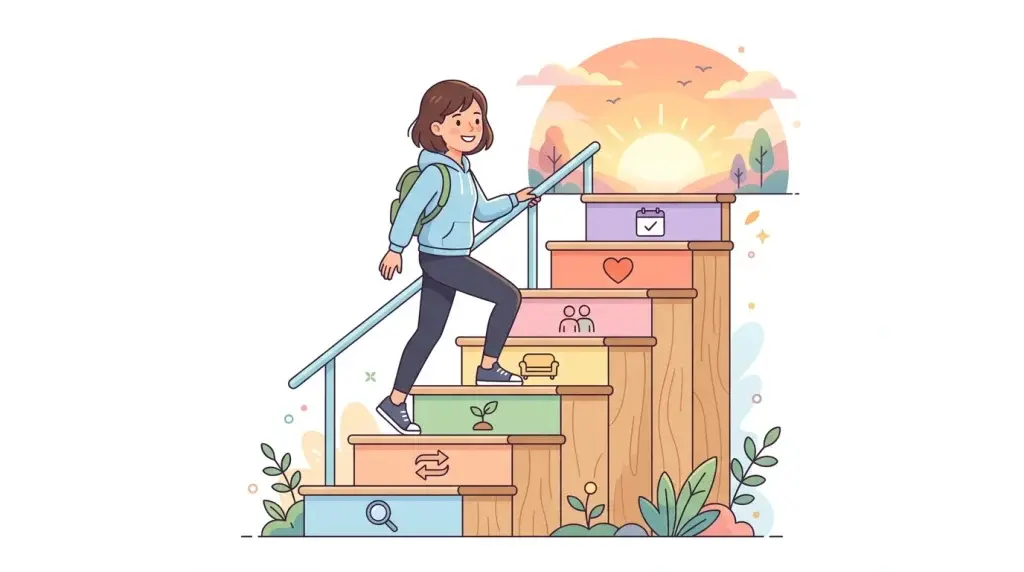
If you are fighting a habit of your own, here are some practical steps that fit what researchers have found.
Name the cue. Ask yourself what sets off the habit. Is it stress, boredom, a time of day, or a place? When you know the trigger, you can plan around it.
Swap, don’t just stop. It is hard to leave a gap where a habit used to be. Replace the old routine with a new one that gives a similar reward. If you snack when bored, try a short walk or a glass of water instead.
Start very small. Big changes feel scary. Tiny steps feel doable. Writer James Clear, in his book Atomic Habits, suggests making new habits easy and small so that you can repeat them daily.
Change your space. Move the cookie jar. Put your phone in another room. If the cue is out of sight, the habit has less power.
Tell someone. A friend who knows your goal can cheer you on and check in with you.
Be kind to yourself. Harsh self-talk makes people quit. Gentle encouragement helps them keep going.
Track your progress. Mark each good day on a calendar. Seeing a chain of wins can feel great and keep you motivated.
Remember the research from earlier: new habits can take weeks or even months. Give yourself time.
How People Use “Old Habits Die Hard” Today
This phrase is alive and well in modern English. You will hear it in casual talk, movies, news stories, and social media posts. Sports reporters use it when a team falls back into old mistakes. Business writers use it when a company struggles to leave outdated methods. Teachers and parents use it with a smile when kids forget a new rule.
Online, people often use it in short, funny posts. Someone might write about reaching for a light switch in a house where it is on the opposite wall. Others use it in more serious ways, such as when talking about healthy lifestyle changes.
The phrase is also common in language-learning materials. Because it is short and clear, English learners often meet it early. It works in the United States, the United Kingdom, and many other English-speaking places, so there is no big difference between American and British use. Both groups say it the same way.
FAQs
1. What is the simple meaning of “old habits die hard”?
It means that habits you have kept for a long time are hard to stop. Even if you try to change, you may slip back into the old behavior.
2. Is “old habits die hard” an idiom?
Yes. An idiom is a phrase with a meaning that is different from its exact words. Here, “die” does not mean real death. It means the habit is slow to go away.
3. Who first said “old habits die hard”?
No one knows for sure. The exact first speaker or writer is not clearly recorded. What we do know is that the idea is very old, and similar sayings like “old customs die hard” have been used for a long time.
4. Can I use this phrase for good habits?
Yes. A good habit, like exercising each morning, can also be hard to lose once it is deeply rooted. The phrase simply talks about how strong habits are, whether good or bad.
5. Is it polite to say “old habits die hard” to someone?
It can be polite and kind when used with a friendly tone. It admits that change is hard, which can feel supportive. But if you say it in a mocking voice, it may sound rude.
6. How long does it take to break an old habit?
It depends on the person and the habit. A well-known study from University College London found it took about 66 days on average to form a new habit, but it ranged from about 18 to 254 days. So the time can be short or long.
Conclusion
The old habits die hard meaning it is simple but powerful. It tells us that routines we have followed for years become part of us, and they do not leave without a fight. Our brains love shortcuts, so they cling to what feels familiar. That is why we keep reaching for old cupboards, checking our phones, or waking up at the same hour.
Still, the saying is not a reason to feel stuck. It is a kind reminder that change takes time, patience, and a smart plan. You can spot your triggers, swap in better routines, start small, and forgive your slip-ups along the way.
So the next time you catch yourself falling into an old pattern, smile and say it out loud: old habits die hard. Then take a breath, start again, and keep moving forward. Small steps, repeated often, can build new habits that last.

Hi, I’m Sarah Mitchell. I love writing faith-based content that brings peace, hope, and encouragement to everyday life. Through prayers and devotionals, my goal is to help readers feel closer to God and stronger in faith.